

A dent beside the hallway, a hole left by a removed wall fixture, or a broken section of gypsum board can become the spot your eyes land on every day. For homes and businesses, our drywall patching in Bronx NY restores damaged wall areas so they sit level, stable, and visually consistent with the surrounding drywall. We work directly on the affected section, giving you a cleaner wall without disturbing drywall that’s still in good shape.
Drywall damage often starts with ordinary activity. Furniture bumps the wall, door hardware strikes the surface, mounted items leave openings, fasteners loosen, or the drywall paper tears away from the gypsum core. Common patching needs include:
For property owners dealing with these marks, drywall patching in Bronx helps restore a flat wall surface without leaving the damaged area looking unfinished or loosely filled.
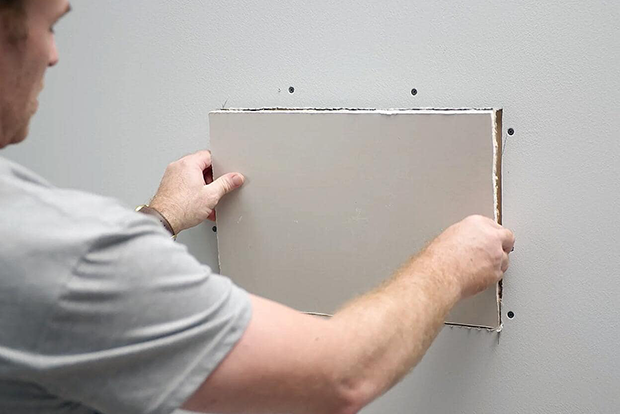
Good patching begins with the damaged edges, because weak or crumbling gypsum can keep a repair from sitting firmly. During drywall patching in Bronx NY, we examine the opening, remove loose material, create a stable patch area, and fit the repair material according to the size and depth of the damage.
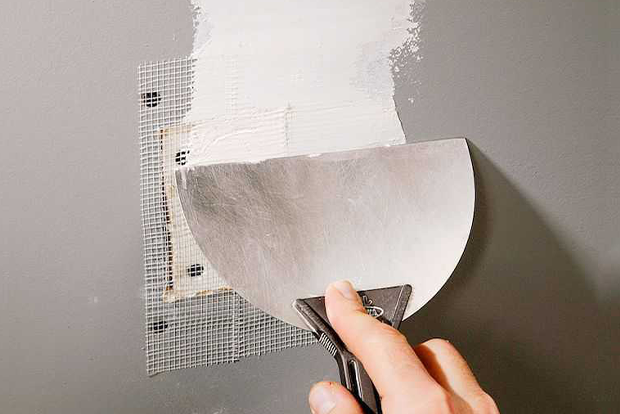
Small holes may need joint compound and reinforcing tape. Larger openings can require a fitted piece of drywall with backing behind it. The repair is then built up in controlled coats so the patched area reaches the same level as the surrounding wall.
Each layer matters. Heavy compound can leave a raised spot. Thin edges can reveal the outline of the repair. Uneven sanding can create dips that become obvious when light moves across the wall. Our wall patching services in Bronx NY focus on getting those details right so the finished patch feels solid, lies flat, and doesn’t leave a bulky ridge around the repaired area.
Residential walls deal with repeated contact from chairs, moving furniture, wall-mounted shelves, family activity, and removed decorations. Commercial drywall often takes heavier daily impact from carts, fixtures, display changes, tenant turnover, and frequent use of shared spaces.
Some damage looks minor at first. A broken paper face can start shedding gypsum dust. A shallow dent can cast a visible shadow across the wall. A loose patch from an older attempt may flex, crack around the edge, or sit higher than the surrounding surface.
For busy interiors, drywall patching in Bronx keeps isolated damage from becoming a constant visual distraction across otherwise sound walls. sWhen the opening needs a fitted drywall piece rather than compound alone, our process gives that section proper support before the surface is leveled.
A dependable drywall patch comes from matching the repair method to the actual damage. Tiny anchor holes shouldn’t be handled like a broken drywall section. A wide opening needs more support than a surface gouge. Torn paper needs controlled preparation so loose fibers don’t remain trapped under the patching compound.
During drywall patching in Bronx NY, we also pay attention to drying time between coats. Joint compound that’s covered too quickly can shrink, remain soft underneath, or leave a shallow depression after it dries. Giving each layer time to set allows the patched section to be shaped gradually and keeps sanding more controlled.
That careful sequence matters in living rooms, hallways, bedrooms, offices, storefront interiors, shared building spaces, and other drywall areas where wall damage stays directly in view. Roughouse Remodeling LLC provides residential and commercial drywall patching work throughout the Bronx and wider NYC area.
We’re licensed and insured under NYC DCWP Home Improvement Contractor License #2136397-DCWP, giving property owners clear business credentials behind the drywall work performed inside their property. The result is a repaired drywall section that feels firm under normal contact, stays level with the surrounding board, and removes the damaged spot that kept drawing attention every time you passed it.
We pay close attention to the wall’s existing texture so the patched spot doesn’t feel out of place. Our drywall patch service in Bronx NY shapes the repaired area to follow nearby surface patterns. This helps the wall feel consistent again.
We size each patch around the actual damaged section instead of opening more drywall than needed. That keeps the repair focused, reduces unnecessary cutting, and helps preserve more of the surrounding board you already trust and want left undisturbed and intact.
Drywall patching can create fine sanding dust that settles fast. We keep the patch area controlled, clear away loose residue as work progresses, and leave the repaired section neat. You can enjoy the finished wall without a lingering mess.
Yes. A properly patched drywall area can hold light wall items later, but the safest mounting point depends on what sits behind the patch. Small decorative pieces may use wall anchors, while heavier items are better secured into a stud rather than relying only on the patched section. This matters because a patch restores the wall surface, but it does not automatically create the same holding strength as framing. If you plan to mount shelves, mirrors, or displays in that spot, tell the drywall patcher before the work begins. Roughouse Remodeling LLC can take that use into account when planning the patch. That way, the repaired area stays neat while you avoid putting too much weight on a weaker point.
Yes. Drywall patching can be completed neatly around outlet and switch openings when the damage is limited to the drywall itself. The key is keeping the opening square, stable, and shaped so the cover plate sits flat instead of hiding a rough or oversized gap. Damage in these areas often becomes noticeable after repeated plate changes, loose screws, or an opening cut too wide. A careful patch restores the border around the box so the wall looks finished again. Because the previous concern was future wall use, this matters for spots that get touched often. Our experienced drywall patch experts in Bronx NY can rebuild these damaged edges without making the opening bulky, uneven, or difficult for the plate to cover.
Yes. Drywall patching can repair damaged outside corners when the damage is confined to the drywall corner area and the corner still has a stable base. Corners are different from flat wall patches because they must keep a straight line from top to bottom. A repair that bulges, rounds off, or dips can remain visible even when the rest of the wall looks smooth. This matters in hallways, office passages, and room entrances where corners get brushed by bags, carts, or moving items. Since the previous FAQ covered patching around wall openings, corners require the same careful control of edges. The goal is a firm, clean corner line that doesn’t look chipped, soft, or uneven when viewed from either side.
Yes. Drywall patching can handle damage that reaches the lower edge of a wall, provided the drywall itself is still suitable for patching. Lower-wall damage can be awkward because the repair area sits close to the floor line, where uneven edges are easy to notice. Scrapes, chipped sections, and broken lower corners can also keep catching shoes, vacuum heads, or moving items, making the spot worse over time. After corner damage, this is another area where a clean boundary matters. The patch should restore the missing drywall without leaving a thick edge near the bottom of the wall. Roughouse Remodeling LLC can address these low sections so the repaired area looks even and less likely to keep catching everyday contact.
Yes. A drywall patch can remain dependable for years when the surrounding wall stays dry, stable, and free from repeated impact. The life of the patch depends less on age and more on what happens around it after the work is finished. If the wall keeps shifting, gets hit in the same place, or develops movement around the repaired section, the patch may show stress. That follows from lower-wall damage, where repeated contact can shorten the life of any repair. A lasting patch should feel like a stable part of the wall during use. Property owners can help by avoiding pressure the repaired spot and watching for movement nearby. Good patching should not need routine touch-ups under normal indoor conditions.
Yes. Drywall patching can be used on older walls, but the condition around the damaged spot needs attention first. Older drywall may have layers of previous patch material, soft paper, brittle edges, or fastener marks close together. These conditions can affect where a patch should begin and end. After considering how long a patch can last, older walls deserve attention because the surrounding surface may not behave like board. The repair should connect to drywall that is firm enough to support it. If the area around the damage feels weak, chalky, or loose, the patcher may need to widen the working area. The goal is a stable patch that works with the existing wall instead of depending on fragile material.
Yes. Several nearby damaged spots can be handled during the same drywall patching visit, as long as each area is assessed separately. This can be useful in rooms with scattered nail marks, chipped edges, small openings, or worn sections collected over time. The benefit is consistency across the room because each patch can be planned with the same standard of surface control. Following the previous point about older walls, grouped damage should not be treated as one large problem unless the drywall between the spots is weak. Each damaged area needs its own boundary and repair approach. Handling several patches together can make the room feel more orderly, while still keeping sound drywall between the damaged sections untouched and stable.